

Work out your load
List the equipment that must keep running during an outage: lights, computers, refrigeration, pumps, machines. Note the power of each and how many hours you need backup. Motors and pumps draw extra power when they start, so include them separately.
Generators: long runtime, any load
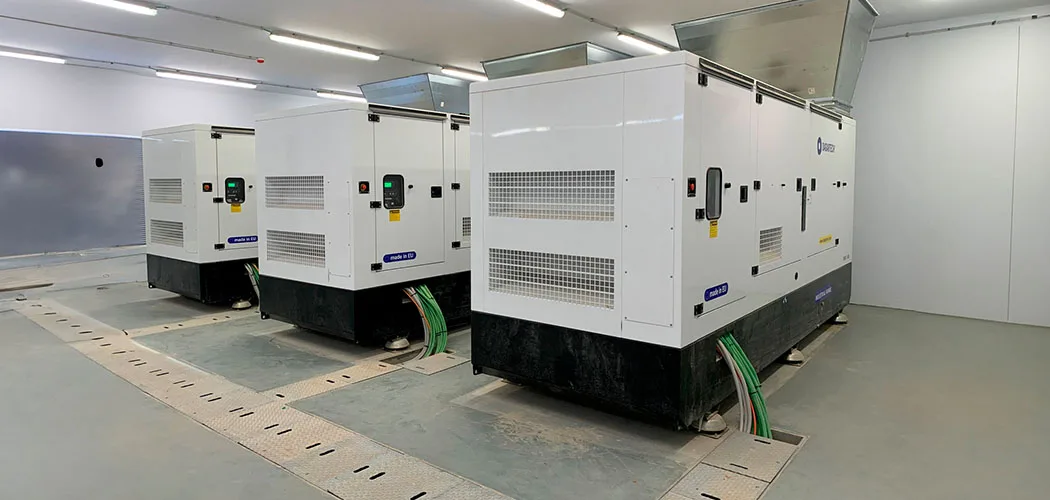
Diesel and petrol generators can run for as long as there is fuel and handle large loads. An ATS panel starts the generator and switches the load automatically when mains power fails. Plan for fuel storage, servicing, noise and ventilation.
Batteries and inverters: instant and silent
Lithium battery storage with an inverter takes over instantly and silently, which suits offices, shops, IT and security systems. Runtime depends on battery capacity, so batteries suit shorter outages or smaller loads.
Hybrid solar: lower running costs
A hybrid system adds solar panels so the batteries recharge during the day and you buy less power from the grid or generator. A hybrid inverter manages solar, batteries, grid and generator together.
Often the best answer is a combination
Many sites use batteries for instant, silent cover and a generator for long outages or heavy loads. Protect sensitive equipment with voltage stabilisers and surge protection.
What to send us for a quote
- A list of equipment to back up, or your total load
- How many hours of backup you need
- Single- or three-phase supply
- Space for a generator, batteries or panels
- Delivery location and timeline


